Cat Health Insurance: What to Look For and What's Covered
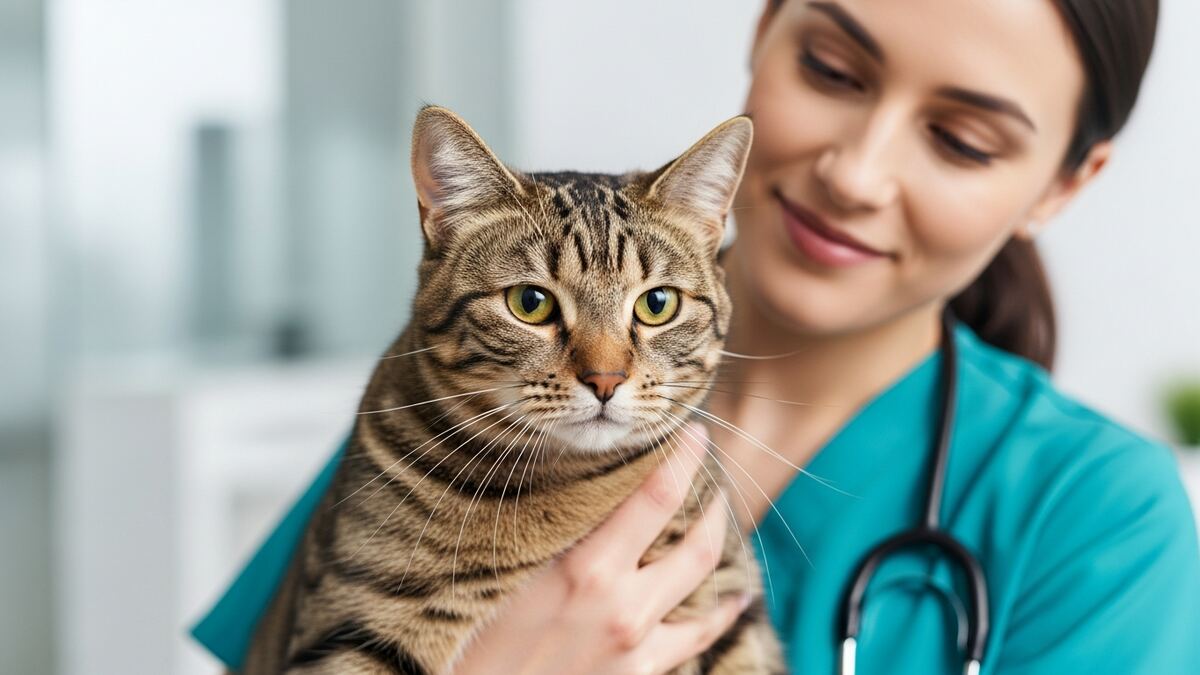
Cats often get treated as the budget-friendly pet, and when it comes to insurance, that reputation actually holds up. Cat health insurance is statistically cheaper than dog coverage, but the plan structures are nearly identical: accident-only, accident-and-illness, or comprehensive plans with optional wellness add-ons. The trick is knowing which feline-specific risks your policy actually covers, because cats develop a different mix of conditions than dogs and the cheap premium isn't useful if it excludes the things your cat is most likely to need.
This guide walks through what pet insurance for cats typically costs, the top conditions that drive claims, how indoor versus outdoor living changes the math, and what to look for if you're enrolling a kitten, an adult, or a senior cat with a few gray whiskers already showing.
What Cat Insurance Actually Costs
Most cat owners pay between $15 and $40 a month for a comprehensive accident-and-illness policy, with the average sitting around $25 monthly. Compare that to dog insurance, which typically runs $35 to $70 a month, and the gap is real. Cats are cheaper to insure for a few reasons: they're smaller (so dosages and surgical materials cost less), they have fewer breed-driven orthopedic issues, they don't pull on leashes into traffic, and they tend to live indoors where injury risk drops sharply.
Premium variables for cats are similar to dogs: age at enrollment, ZIP code, deductible, reimbursement percentage (usually 70%, 80%, or 90%), and annual payout cap. A $5,000 annual cap with an 80/20 split and a $250 deductible is a common middle-of-the-road choice for cat owners who want real coverage without overspending.
The Top 5 Cat Health Issues That Drive Claims
If you're shopping cat insurance, these are the conditions you want to make sure are covered, because they're the ones that actually happen:
Urinary issues (FLUTD). Feline lower urinary tract disease, including blockages in male cats, is one of the most common emergency claims. A blocked male cat is a true emergency: catheterization, hospitalization, and follow-up can run $1,500 to $4,000. Comprehensive plans cover diagnosis, hospitalization, and prescription urinary diets when prescribed for a covered condition.
Chronic kidney disease (CKD). Roughly one in three senior cats develops some form of kidney disease. Insurance covers bloodwork, ultrasounds, subcutaneous fluid therapy supplies, and prescription renal diets in most comprehensive plans. The catch: if CKD is diagnosed before you enroll, it becomes a pre-existing condition and is permanently excluded.
Hyperthyroidism. Common in cats over 10. Treatment options include daily medication, prescription diet, or radioactive iodine therapy (I-131), which is curative but costs $1,500 to $3,000 upfront. Most accident-and-illness plans cover all three.
Dental disease. Cats are notorious for tooth resorption and stomatitis. Standard accident-and-illness plans typically cover dental illness (extractions, treatment of disease) but not routine cleanings — those usually need a wellness add-on.
Diabetes. Increasingly common in overweight indoor cats. Insulin, glucose monitoring, and emergency visits for diabetic ketoacidosis all add up; covered under standard illness coverage as long as it wasn't pre-existing.
Indoor vs. Outdoor Cats: Does It Change the Premium?
Most pet insurance for cats doesn't ask outright whether your cat goes outside, and almost none charge a different premium based on it. The risk profile, however, is genuinely different. Outdoor cats see more bite wounds, abscesses, hit-by-car trauma, and infectious disease (FeLV, FIV exposure). Indoor cats skew toward obesity-related conditions, diabetes, and stress-related lower urinary tract issues.
If your cat is indoor-outdoor or fully outdoor, accident coverage matters more — make sure trauma, foreign body ingestion, and toxin exposure are all clearly included. For strictly indoor cats, illness coverage and chronic condition support is the bigger value.
Senior Cat Insurance: Enrolling Later in Life
Cats live a long time — 15 to 20 years isn't unusual for an indoor cat — and a lot of owners only start thinking about insurance when their cat is already middle-aged. Most insurers will enroll cats up to age 14, but premiums climb sharply after age 8, and some plans switch from accident-and-illness to accident-only after a certain age threshold.
The biggest issue with insuring a senior cat is pre-existing conditions. The vet visit before enrollment, and any condition noted in records during the look-back period, will likely be excluded. If your cat's bloodwork already shows early kidney values or thyroid changes, those will follow the policy as exclusions even if no formal diagnosis exists. Read the underwriting carefully.
Breed-Specific Concerns and Hereditary Coverage
Mixed-breed cats are the majority and tend to have fewer hereditary issues, but if you have a purebred, the breed-specific risks matter:
Persians and Himalayans are prone to polycystic kidney disease (PKD), brachycephalic breathing issues, and dental crowding. Maine Coons have a documented predisposition to hypertrophic cardiomyopathy (HCM), the most common feline heart disease. Ragdolls share the HCM risk and can also have urinary issues. Bengals can develop progressive retinal atrophy.
Look for a plan that explicitly covers hereditary and congenital conditions with no separate sub-limit. Some cheaper policies will technically cover hereditary issues but cap them at $1,000 lifetime — useless for an HCM diagnosis that needs years of cardiology monitoring.
Common Exclusions to Watch For
Standard exclusions across the industry include pre-existing conditions, pregnancy and breeding, cosmetic procedures (declawing is increasingly excluded outright), and behavioral training. More variable exclusions to verify: dental illness limits, exam fees (some plans don't cover the office visit itself), prescription food, alternative therapies like acupuncture, and bilateral conditions where one side was affected before enrollment. For cats specifically, ask whether prescription urinary diets and chronic kidney support diets are reimbursed.
Cost-Saving Tips Without Gutting Your Coverage
Enroll while your cat is young and healthy. A kitten policy locks in lower premiums and avoids pre-existing exclusions before any chronic condition has a chance to develop. Choose a higher deductible if you keep an emergency fund — moving from a $250 to a $500 annual deductible can drop premiums 15-20%, and cat claims often cluster, so you'll likely hit the deductible only once a year anyway. Skip the wellness add-on if your cat is healthy and you can pay for routine vaccines and a yearly exam out of pocket; the math rarely favors wellness riders. Pay annually instead of monthly when offered — most insurers give a 5-8% discount for it.
Get the Right Cat Insurance Quote
Cat insurance gives you a meaningful cushion for the conditions cats actually develop — urinary blockages, kidney disease, thyroid trouble, dental work, and breed-driven heart disease — at a premium that's usually half what dog owners pay. The right plan depends on your cat's age, breed, and lifestyle, but the principle is the same: enroll early, read the exclusions, and pick a deductible you can actually afford in a real emergency.
Your Pet, Your Companion, Your Pocket
Our dedication lies in connecting you with equitable and accurate pricing, tailored to your pet’s breed, age, and location. If you’re seeking further recommendations, feel free to contact us via our social media channels or by email at [email protected].