How Pet Insurance Works: From Quote to Reimbursement

If you've ever stared at a four-figure vet bill and wondered whether pet insurance would have softened the blow, you're not alone. The mechanics of pet coverage trip a lot of owners up because it doesn't work like the human health insurance most of us know. There's no in-network billing, no co-pays at the front desk, and no card you hand to the receptionist. Almost every pet insurance policy sold in the United States is a reimbursement plan, which means you pay the veterinarian out of pocket and the insurance company pays you back afterward. Understanding that single distinction makes the rest of the process click into place.
Below is a step-by-step walk through the entire lifecycle, from the moment you start gathering pet insurance quotes to the day a reimbursement deposit lands in your bank account. By the end, you'll know exactly what to expect and where the common snags live.
Step 1: Getting a Quote
The first question new pet parents ask is, "Can you get pet insurance for my specific animal?" In nearly every case, yes — but the price varies dramatically based on a handful of inputs. To pull an accurate quote, you'll need four pieces of information: species, breed, age, and ZIP code. Each one moves the premium for a specific reason.
Species is obvious — dogs typically cost more to insure than cats because they have a higher rate of orthopedic and emergency claims. Breed matters because certain breeds are statistically prone to expensive hereditary conditions; large purebred dogs often command higher premiums than mixed breeds of similar size. Age is the single biggest lever: a healthy puppy or kitten is far cheaper to insure than a senior pet, and most carriers cap new enrollment somewhere between 10 and 14 years old. ZIP code drives pricing because regional vet costs vary wildly — an emergency surgery in a major metro can cost three times what the same procedure runs in a rural area.
Step 2: Choosing Your Plan Structure
Once you have quotes in hand, you'll customize three sliders that determine both your monthly premium and how much you'll get back when you file a claim. These three are the heart of how pet insurance works.
Deductible is the amount you pay before reimbursement kicks in. Most modern plans use an annual deductible — typically $100, $250, $500, or $750 — that resets each policy year. A few legacy products still use per-incident deductibles, which apply separately to each new condition. Annual deductibles are almost always the better deal for owners with multi-claim years.
Reimbursement percentage is the share of the eligible bill the insurer pays after your deductible is met. The standard options are 70%, 80%, or 90%. Higher percentages mean a higher monthly premium but a much softer landing on a big claim.
Annual limit is the maximum the carrier will pay out in a policy year. Plans range from capped limits ($5,000 or $10,000) up to unlimited annual benefits. For young pets and breeds prone to chronic conditions, an unlimited or high-cap plan is generally worth the small premium bump.
Step 3: Waiting Periods Before Coverage Starts
Pet insurance does not pay claims the day you sign up. Every policy has waiting periods designed to prevent owners from buying coverage in the parking lot of the emergency clinic. These vary by carrier, but the typical structure looks like this: accidents become eligible after 1 to 3 days, illnesses after 14 days, and orthopedic conditions like cruciate ligament injuries or hip dysplasia after a longer window of 30 days to 6 months. The cleanest move is to enroll your pet while they're young and healthy so the waiting periods clear long before you ever need them.
Step 4: At the Vet's Office
When something goes wrong and you take your pet in for treatment, the visit itself looks no different than if you had no insurance at all. You see your regular veterinarian, you choose the treatment plan you want, and you pay the full bill at checkout with a card, cash, or financing. Make sure you walk out with an itemized invoice — not just a credit card receipt — because the carrier will need to see line items for the diagnosis, services rendered, and medications dispensed. If your pet is being seen for something new, the vet's notes from this visit also become the documentation that proves the condition isn't pre-existing.
Step 5: Filing the Claim
Filing has gotten dramatically easier over the past few years. Most carriers now run mobile apps where you snap a photo of the itemized invoice, tag the pet and condition, and submit. Some also accept claims through a web portal or by email. The carrier may request additional records from your veterinarian — usually the SOAP notes from the visit and sometimes the pet's full medical history if it's the first claim on the policy. Turnaround times vary, but the industry standard for a clean claim with complete documentation is roughly 5 to 14 days from submission to payout.
Step 6: How Reimbursement Math Actually Works
Here's where the three sliders from Step 2 do their work. The carrier first looks at the eligible portion of your bill — anything the policy actually covers, which excludes things like routine wellness care on a basic accident-and-illness plan. From that eligible amount they subtract any remaining deductible for the year. They multiply what's left by your reimbursement percentage, and that's your check.
A worked example makes this concrete. Say your dog tears a cruciate ligament and the surgery, hospitalization, and follow-up rehab come to a $2,500 vet bill. Your plan has a $250 annual deductible and 80% reimbursement, and you haven't filed any other claims this year. The carrier subtracts the $250 deductible, leaving $2,250. They multiply that by 80%, which equals $1,800. That $1,800 lands in your bank account, and you're out of pocket $700 on a $2,500 emergency. Going forward in the same policy year, your deductible is satisfied, so the next eligible claim reimburses at the full 80% from dollar one.
Common Claim Issues to Avoid
Most claim denials trace back to three predictable causes. The first is incomplete documentation — submitting a credit card receipt instead of an itemized invoice, or missing the vet's diagnostic notes. The second is pre-existing condition exclusions; if a symptom was noted in your pet's records before the policy started or during a waiting period, treatment for that condition is generally not covered. The third is misunderstanding what's covered: pet plan dog insurance, like cat policies, typically excludes routine dental cleanings, breeding costs, cosmetic procedures, and prescription food unless you've added an optional wellness rider. Read your policy summary carefully so there are no surprises at claim time.
Getting Started
The best moment to enroll a pet is the moment you bring them home. Premiums are at their lowest, no conditions exist yet to be flagged as pre-existing, and waiting periods will clear long before you have your first scare. If your pet is older, coverage is still worth pursuing — even a senior policy can absorb the cost of a single emergency many times over. Start by pulling a few pet insurance quotes side by side, comparing the deductible, reimbursement percentage, and annual limit at matching tiers. Once you see how the numbers stack up, the decision usually makes itself.
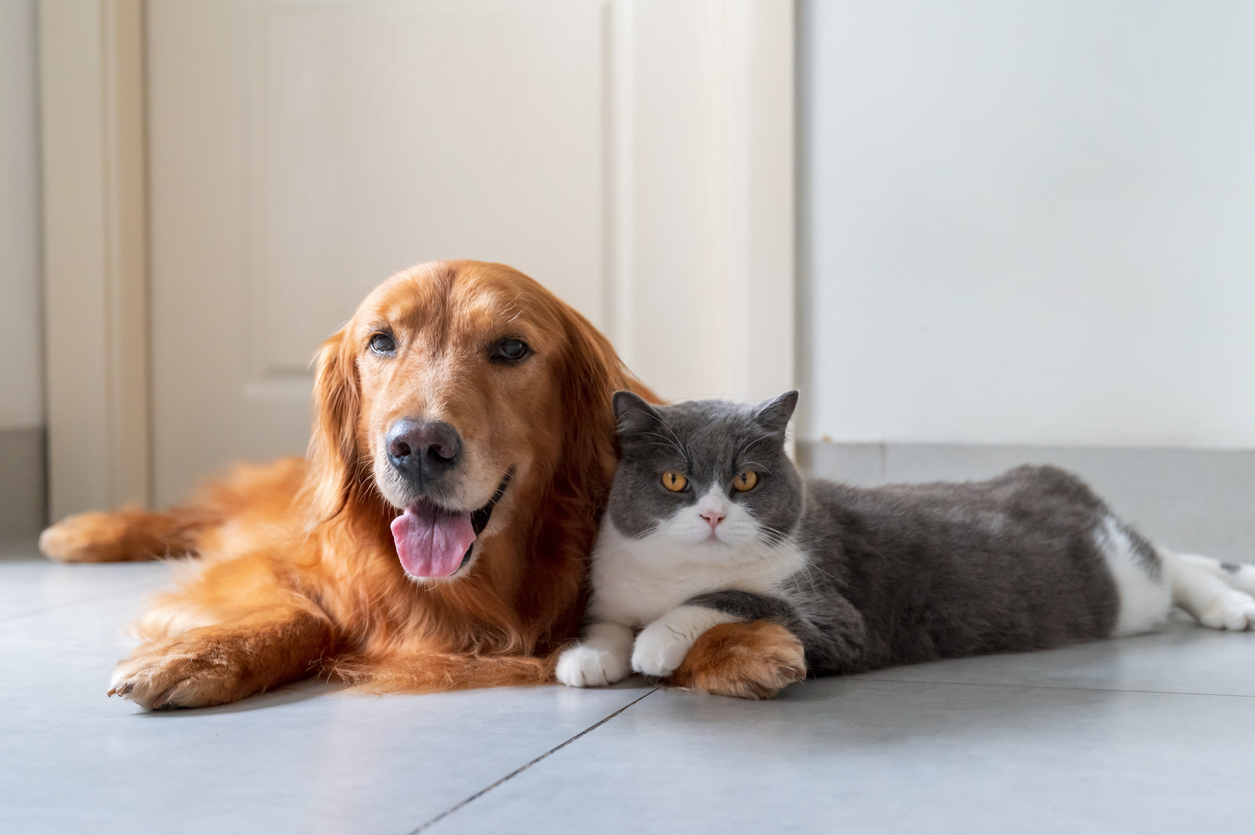
Your Pet, Your Companion, Your Pocket
Our dedication lies in connecting you with equitable and accurate pricing, tailored to your pet’s breed, age, and location. If you’re seeking further recommendations, feel free to contact us via our social media channels or by email at [email protected].