Pet Dental Insurance: What's Covered, From Cleanings to Extractions
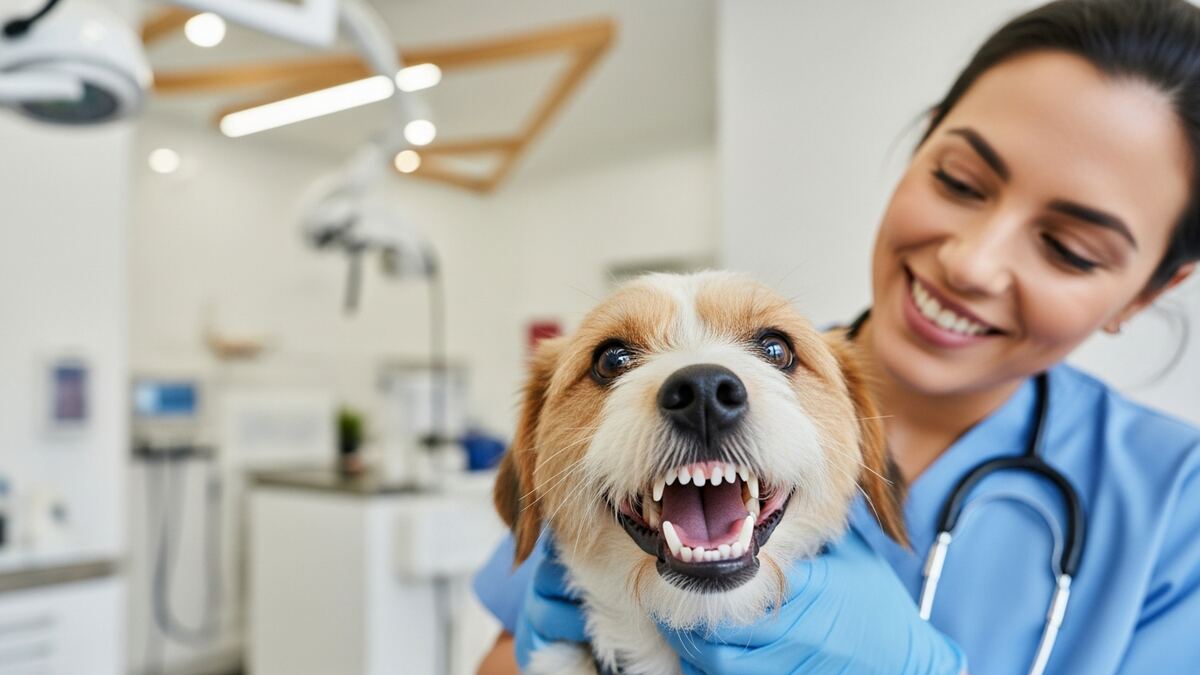
Dental disease is the single most common health problem veterinarians diagnose in dogs and cats. By age three, the majority of pets already show some form of periodontal disease — inflamed gums, tartar buildup, or the early stages of bone loss around the teeth. Left alone, that quiet damage turns into pain, infection, and tooth loss, and the bill to fix it climbs fast. A standard vet dental cleaning performed under general anesthesia typically runs $300 to $1,000 or more, and once extractions enter the picture you can add another $200 to $1,500 depending on how many teeth are involved and whether oral surgery is needed.
Pet dental insurance can absorb a meaningful chunk of those costs — but only if you understand the line most insurers draw between "dental illness" and "routine dental care." That distinction is where new pet parents get tripped up, and it's where dog dental insurance and cat dental insurance both deserve a closer look before you assume your existing policy has you covered.
The Big Split: Dental Illness vs. Routine Cleanings
Most accident and illness pet insurance plans treat your pet's mouth like any other body part: if something goes wrong because of disease or injury, treatment is generally covered. That's the "dental illness" bucket — fractured teeth, abscesses, advanced periodontal disease causing pain or infection, oral tumors. Coverage kicks in once your deductible is met and reimbursement runs at whatever percentage your plan specifies, often 70% to 90%.
Routine preventive cleanings, on the other hand, almost never sit inside the base accident and illness plan. Those are considered wellness care, and you'll only see them reimbursed if you've added a separate wellness or preventive package on top of your policy. Skip the add-on, and that annual cleaning comes out of your pocket even if you've been paying premiums for years.
What's Typically Covered Under Illness Plans
When you read the dental section of a standard accident and illness policy, you'll usually find protection for the medically necessary work — the kind of thing no owner schedules and no pet enjoys:
Extractions for fractured or broken teeth, common after a dog chews something too hard or a cat takes a fall. Treatment of moderate to severe periodontal disease that's causing pain, mobility, or infection. Removal of oral masses and biopsy of suspicious tumors. Drainage and treatment of dental abscesses. Repair of traumatic dental injuries from bites, accidents, or chewing accidents. Diagnostic dental X-rays performed as part of treatment for an active problem are generally included as well.
What's Typically Not Covered
The exclusions are just as important to know up front. Routine cleanings without a wellness add-on are out. So is anything cosmetic — tooth whitening, polishing performed for appearance only, or elective restorations. Orthodontia to correct bite or occlusion issues is typically excluded unless the misalignment is causing documented medical harm, and even then approval is far from guaranteed.
The biggest exclusion of all, though, is pre-existing dental disease — and that's where things get tricky.
The Pre-Existing Trap With Dental
Dental coverage is uniquely vulnerable to the pre-existing condition clause, because vets routinely note even mild dental issues during physical exams. If your most recent vet visit included a chart entry like "moderate tartar," "Grade 1 dental disease," or "gingivitis present," an insurer can — and often will — treat any future periodontal treatment as related to that pre-existing finding, and exclude it from coverage.
This isn't theoretical. It's one of the most common reasons dental claims get denied. Some insurers will reinstate dental coverage if you provide a clean dental exam after enrollment — meaning your pet must be examined, treated if needed, and given a clean bill of dental health before the exclusion is lifted. Read the fine print before you sign, and consider enrolling before your pet's first big dental cleaning rather than after.
Dog Dental vs. Cat Dental: Different Risks, Different Bills
Dogs and cats present very different dental risk profiles, and that should shape how you think about coverage. Dogs — especially small breeds like Yorkies, Dachshunds, and brachycephalic dogs like Pugs and Bulldogs — are highly prone to classic periodontal disease. Crowded teeth, shallow tooth roots, and chewing habits drive plaque, tartar, gum recession, and eventually bone loss. Periodontal extractions in a small senior dog can easily run $1,500 to $3,000 in one visit.
Cats face a different and often hidden problem: feline odontoclastic resorptive lesions, also called FORLs or tooth resorption (TR). The body literally begins resorbing the tooth from within, exposing nerve and causing severe pain that cats hide remarkably well. Roughly half of adult cats develop at least one resorptive lesion in their lifetime. The only treatment is extraction, usually requiring dental X-rays to confirm the diagnosis and surgical removal of the affected tooth — a procedure that frequently lands in the $800 to $2,000 range per cat per visit.
Wellness Add-Ons That Include Cleanings
If you want help paying for the routine annual cleaning that prevents disease in the first place, you'll need a wellness or preventive care add-on. These riders typically reimburse a fixed dollar amount toward a yearly dental cleaning — often $100 to $250 per year — alongside vaccines, exams, and other preventive items. The cap is the cap: if your cleaning costs $600 and the dental allowance is $150, you're paying the rest.
Wellness add-ons usually run $10 to $30 per month and don't carry deductibles, but they're not insurance in the traditional sense — they're more like a budgeting tool. Run the math on what you'd actually use before adding one.
Cost-Saving Strategies That Actually Work
Insurance covers the back end. The front end is up to you, and a few habits make a real difference. Enroll your pet young, before any dental notes appear in their record — that single decision protects against the pre-existing exclusion that traps so many older-pet owners. Daily brushing with a pet-safe toothpaste is the gold standard; even three or four sessions per week meaningfully slows tartar buildup. VOHC-accepted dental treats and chews provide measurable plaque reduction when used consistently. And for pets already showing buildup, prescription dental diets feature larger, fibrous kibble engineered to scrape teeth as your pet chews.
None of these replace a professional cleaning under anesthesia, where the vet can probe below the gumline, take dental X-rays, and address what's hidden — but they can stretch the interval between cleanings and reduce the severity of what's found.
Get Quoted Before Your Pet's Next Dental Exam
The single most expensive mistake in pet dental insurance is waiting until your vet flags a problem to enroll. Once tartar, gingivitis, or a resorptive lesion is in the chart, your options narrow quickly. Comparing quotes now — while your pet's record is clean — keeps every door open and locks in the best possible terms for the years of cleanings, extractions, and surprise dental work ahead.
Your Pet, Your Companion, Your Pocket
Our dedication lies in connecting you with equitable and accurate pricing, tailored to your pet’s breed, age, and location. If you’re seeking further recommendations, feel free to contact us via our social media channels or by email at [email protected].